
The Japanese Neighborhood Buried Under the Port of Los Angeles: Terminal Island Documentary
Terminal Island, Los Angeles, California
33.7420 N, 118.2726 W
Container cranes dominate Terminal Island today. Ships, warehouses, rail lines, and fenced industrial land leave little evidence that a close-knit Japanese American fishing village once occupied the Los Angeles Harbor shoreline.
Residents called the community Furusato, meaning hometown. It grew around fishing boats and canneries, developed its own institutions and dialect, and helped transform tuna from an unfamiliar catch into a national food industry. In February 1942, the United States Navy ordered approximately 500 households to leave within forty-eight hours. The village was then demolished.
Fishermen from Wakayama Build a Harbor Town
Japanese fishermen began settling around San Pedro Bay near the end of the nineteenth century. Many came from Wakayama Prefecture, where coastal communities already possessed generations of knowledge about boats, currents, and commercial fishing. Terminal Island placed them beside both the fishing grounds and a growing network of processors.
The settlement expanded along streets such as Tuna Street and Fish Harbor Road. Homes, restaurants, boarding houses, shops, churches, temples, and a school formed around the canneries. Work followed the cannery whistle rather than a conventional clock. Boats might be away for days, and an arriving catch could send an entire household into long shifts cleaning and packing fish.
Early fishermen pursued albacore with hook and line. Cannery operators experimented with preparation and marketing until tuna became an affordable pantry staple. Japanese crews supplied crucial skill and labor, while companies including Van Camp and later Chicken of the Sea built nationally recognized businesses from the harbor.
A Community Built Under Discriminatory Rules
The industry's growth did not bring equal rights. California's alien land laws restricted property ownership by immigrants deemed ineligible for citizenship. A 1918 federal ruling and licensing restrictions made it difficult for Japanese immigrants to own boats directly. Families adapted through leases, share arrangements, American-born children, and relationships with cannery operators.
Furusato nevertheless became unusually self-contained. Children attended local schools and moved between Japanese spoken at home and English used elsewhere. The island developed a distinctive mixture of regional Japanese vocabulary, English, and fishing terms. Buddhist and Shinto observances existed beside Christian congregations and American school activities.
By the late 1930s, roughly 3,000 people lived in the village. Most younger residents were American citizens by birth. Their legal status would provide little protection after the United States entered the Second World War.
Pearl Harbor Brings Arrests
Within hours of the attack on Pearl Harbor, the FBI began arresting Japanese community leaders, fishermen, priests, and other men previously placed on government lists. Terminal Island was treated as especially sensitive because it stood inside a major port and near naval facilities.
Jeanne Wakatsuki Houston later opened Farewell to Manzanar with the removal of her fisherman father from Terminal Island. Across Furusato, wives and children were left to manage businesses and households after male relatives disappeared into detention.
Executive Order 9066, signed on February 19, 1942, authorized military exclusion from designated West Coast areas. Terminal Island families did not receive the weeks available in some other communities. On February 25, the Navy posted orders requiring them to leave by February 27.
Forty-Eight Hours to Sell a Life
Families rushed to sell boats, restaurant stock, furniture, appliances, and tools. Buyers understood that sellers had no bargaining power. Property accumulated over decades changed hands for a fraction of its value or was abandoned.
Restaurant owner Orie Mie faced the order while her husband was detained. She had four children and two restaurants full of perishable stock. She sold or gave away what she could while preparing the family to leave. Similar scenes unfolded across roughly 500 households.
Many residents first moved to nearby Japanese American districts, including areas of Los Angeles, Long Beach, and Gardena. That reprieve was brief. Mass incarceration soon forced them into assembly centers and camps farther inland.
The government did more than empty Furusato. Buildings were razed as the Navy and port expanded wartime operations. A Shinto priest reportedly dismantled his shrine rather than leave it for demolition. When survivors returned to Southern California after the war, there was no neighborhood to return to.
Scattered Families Preserve Furusato
Former residents rebuilt their lives across the region, but the concentrated fishing community never re-formed. Postwar port development absorbed the old street grid. Canneries later declined as the fishing and processing industries moved, consolidated, or closed.
Descendants maintained annual reunions and formed the Terminal Islanders Club. Oral histories preserved the language, working routines, and family networks missing from the industrial landscape. Their efforts led to the Terminal Island Japanese Memorial at Fish Harbor, dedicated in 2002. Its bronze fishermen look toward the water used by the original fleet.
Two surviving buildings associated with the community became the focus of a preservation campaign. In 2025, Los Angeles designated the remaining Tuna Street structures as a Historic-Cultural Monument, recognizing the settlement and the forced removal that destroyed it.
What the Port Buried
The modern Port of Los Angeles depends on constant movement, yet Furusato's history is about a population prevented from returning. Its residents built an industry, created a hometown, and raised American-born children on land the government treated as expendable during wartime.
Only fragments remain: two buildings, a memorial, family photographs, recorded testimony, and reunions held away from the island. The container terminals did not grow over an anonymous industrial site. They grew over one of the most complete Japanese American fishing communities on the West Coast, built over four decades and dismantled in forty-eight hours.
Previous
The Legendary Racetrack Buried Under SoFi Stadium: Hollywood Park, Los Angeles Documentary
Inglewood, California
Next
Before the Santa Monica Waterfront, There Was America's Wildest Pier: Pacific Ocean Park Documentary
Ocean Park, Santa Monica, California
Related Stories
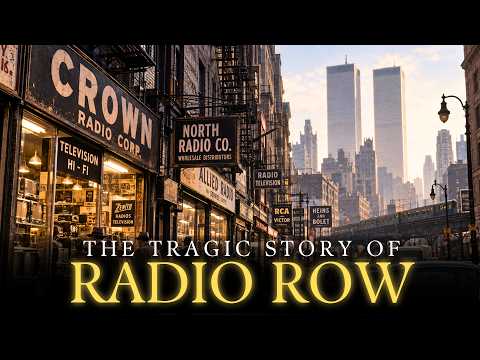
Lower Manhattan, New York
Why New York Hated The Twin Towers: Radio Row Documentary
Radio Row was America's dense marketplace for radios, televisions, surplus parts, and electronic invention. A deal to rescue a commuter railroad moved the World Trade Center directly onto its blocks.
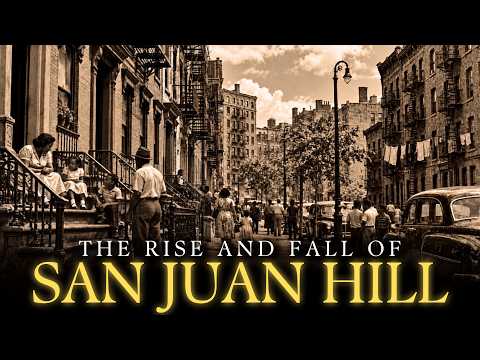
Lincoln Square, Manhattan, New York
This Famous Neighborhood Is Buried Under Lincoln Center: San Juan Hill Documentary
San Juan Hill nurtured Black music, Puerto Rican life, and generations of working families. A Robert Moses-led urban renewal project displaced thousands and delivered the cleared land to Lincoln Center.
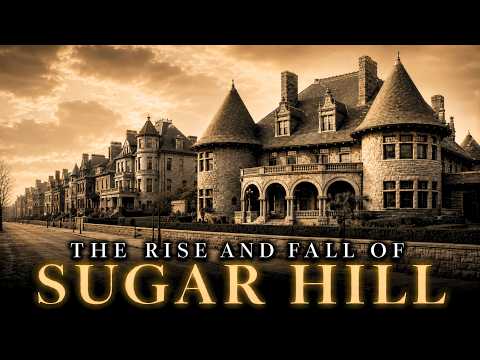
West Adams, Los Angeles, California
The Neighborhood Buried Under the Santa Monica Freeway: Sugar Hill Documentary
Black homeowners defeated the racial covenants aimed at removing them from Los Angeles' Sugar Hill. Less than twenty years later, the Santa Monica Freeway demolished the neighborhood's core.